
- Podmiot leczniczy, nr księgi RPWDL 000000229528
- 700 punktów pobrań krwi, badań diagnostycznych i konsultacji specjalistycznych
- Badania i konsultacje realizujemy samodzielnie oraz przez podwykonawców
- Wynik online, bez skierowania
- Działamy od 2020 r., kontynuacja pierwszego w Polsce internetowego sklepu z badaniami (sklep.etermed.pl, od 2013)
Original price was: 276,00 zł.199,00 złCurrent price is: 199,00 zł. Oszczędzasz 27%!
Najniższa cena z 30 dni przed obniżką: 276,00 zł
The package includes:
- Full blood count with automated differential
- C-reactive protein (CRP)
- Rheumatoid factor (RF)
- Erythrocyte sedimentation rate (OB)
- Uric acid
- Creatinine
- Serum protein electrophoresis
- Alanine aminotransferase (ALAT)
Drodzy Pacjenci! W związku z częstymi pytaniami informujemy, iż prezentowane w portalu ceny obowiązują jedynie przy dokonaniu płatności przelewem. Poszczególne placówki mogą mieć te same usługi w innych cenach! Prosimy także o każdorazowe okazywanie aktualnego dokumentu tożsamości podczas realizacji wykupionych usług.
Opis produktu
What this package is for
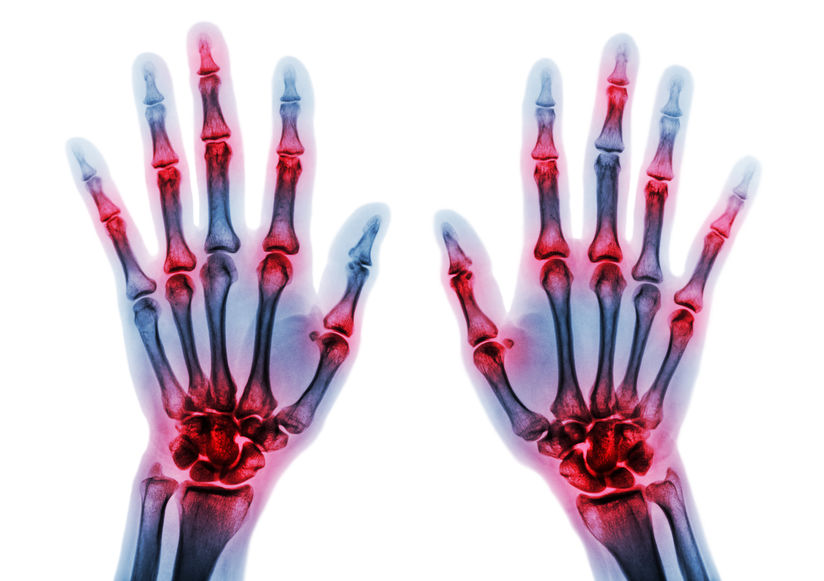
Eight tests to guide the initial investigation of joint pain: whether inflammation is present (C-reactive protein (CRP), erythrocyte sedimentation rate (OB), full blood count with differential), whether it has rheumatoid features (rheumatoid factor (RF)), whether gout is more likely (uric acid), how the kidneys and liver are functioning before treatment (creatinine, alanine aminotransferase (ALAT)), and whether serum proteins show evidence of chronic inflammation or autoimmune disease (serum protein electrophoresis: albumin and globulin fractions). The package does not diagnose a disease, but helps a doctor distinguish inflammatory arthritis from osteoarthritis and overuse, and decide whether a rheumatologist is needed.
When to consider these tests
- Joint pain and swelling lasting more than 6 weeks, especially symmetrical symptoms in the small joints of the hands and feet,
- Morning joint stiffness lasting longer than 30 minutes,
- Sudden, very painful swelling of one joint (big toe, knee or ankle), with suspected gout,
- Joint pain with fever, fatigue, weight loss, a rash, dry eyes or a dry mouth,
- Joint pain after tonsillitis or an intestinal infection (a doctor may add antistreptolysin O (ASO) and other tests),
- Monitoring before starting and during treatment with anti-inflammatory medicines or methotrexate (kidneys, liver and blood count).
How to prepare
- Attend in the morning after fasting for 8–12 hours; drink only water that morning. Uric acid rises after alcohol or a large meat-based meal the day before.
- Do not have the tests during an infection or within 2 weeks afterwards: CRP, erythrocyte sedimentation rate and blood count will reflect the infection rather than the joint condition.
- Avoid intensive exercise the day before (ALAT, creatinine, CRP).
- Bring a list of medicines: glucocorticoids lower CRP and erythrocyte sedimentation rate, while diuretics raise uric acid.
How to read the results
| Test | What an abnormal result usually means |
|---|---|
| C-reactive protein (CRP), erythrocyte sedimentation rate (OB) | Raised: active inflammation (rheumatoid arthritis, infection or other causes); normal results with joint pain favour osteoarthritis or overuse; sedimentation rate also rises with age and during pregnancy |
| Rheumatoid factor (RF) | A high positive titre with symptoms: rheumatoid arthritis is likely; a low positive titre without symptoms: often insignificant; a negative result does not rule out rheumatoid arthritis (anti-CCP) |
| Uric acid | Above 7 mg/dl (6 in women) with episodes of joint pain: gout; it may be normal during an attack; a high level without symptoms is not an indication for medication |
| Full blood count with differential | Anaemia of chronic disease, a raised white blood cell count during infection, or low platelet or white blood cell counts in lupus |
| Serum protein electrophoresis | Raised gamma globulins: chronic inflammation, autoimmune diseases or infections; a monoclonal spike requires urgent haematological investigation |
| Creatinine, alanine aminotransferase (ALAT) | Assessment of kidney and liver function before and during treatment; gout damages the kidneys, while methotrexate and non-steroidal anti-inflammatory drugs (NLPZ) can affect both organs |
A doctor should assess the results as a whole. Laboratory evidence of inflammation together with symptoms warrants a rheumatology assessment within a few weeks; early treatment of rheumatoid arthritis prevents joint damage.
Other tests to consider
For suspected rheumatoid arthritis: anti-cyclic citrullinated peptide antibodies (anti-CCP); for systemic symptoms: antinuclear antibodies (ANA); for spinal and sacroiliac joint pain: human leucocyte antigen B27 (HLA-B27); after an infection: antistreptolysin O (ASO); after a tick bite: Lyme disease IgM/IgG antibodies. Learn more: Badania-Medyczne.pl.
Frequently asked questions
My RF is negative and CRP is normal. Does this rule out rheumatic disease?
No, but it makes rheumatoid arthritis with active inflammation less likely. RF is negative in approximately 20–30% of people with rheumatoid arthritis, especially early on; if symptoms are present, a doctor may add anti-CCP, and for spinal pain, HLA-B27, because these conditions do not raise RF.
Does a positive rheumatoid factor mean rheumatoid arthritis?
Not necessarily. RF can be positive at low titres in healthy people (more often after age 60), after infections (hepatitis C, glandular fever or tuberculosis), in Sjögren’s syndrome and in other conditions. Diagnosing rheumatoid arthritis requires symptoms (symmetrical swelling of small joints and morning stiffness lasting more than 30 minutes) and assessment by a rheumatologist.
Why does the package include uric acid and creatinine?
Uric acid helps identify gout, which can mimic inflammatory arthritis (most often in the big toe or knee), but may be normal during an attack. Creatinine assesses kidney function before starting anti-inflammatory medicines and in gout.
Sources: ALAB laboratories, Rheumatology package (RF as a marker of rheumatoid arthritis, uric acid and gout, CRP in distinguishing rheumatoid arthritis from osteoarthritis, preparation); ALAB laboratories, Antinuclear antibodies ANA (additional testing for systemic symptoms). This information does not replace a medical consultation.
Opinie klientów
Gdzie wykonasz to badanie
Punkt pobrań wybierasz przy zamówieniu. Adresy, godziny i zasady przygotowania znajdziesz w naszym przewodniku po miastach:
- Warszawa (76)
- Wrocław (35)
- Łódź (31)
- Kraków (30)
- Poznań (28)
- Gdańsk (22)
- Szczecin (22)
- Bydgoszcz (13)
- Gdynia (13)
- Rzeszów (13)
- Kielce (11)
- Lublin (11)
- Wszystkie miasta (57)
Jak przygotować się do badania krwi (na czczo, leki, trening)
Related products
-
Sale!

Blocked nose test package
Original price was: 95,00 zł.60,00 złCurrent price is: 60,00 zł. Add to cart -
Sale!
Diabetes diagnosis test package
Original price was: 163,00 zł.127,00 złCurrent price is: 127,00 zł. Add to cart -
Sale!

Abdominal symptoms test package
Original price was: 236,00 zł.172,00 złCurrent price is: 172,00 zł. Add to cart -
Sale!
Anaemia test panel
Original price was: 201,00 zł.135,00 złCurrent price is: 135,00 zł. Add to cart
Reviews
There are no reviews yet.