
- Podmiot leczniczy, nr księgi RPWDL 000000229528
- 700 punktów pobrań krwi, badań diagnostycznych i konsultacji specjalistycznych
- Badania i konsultacje realizujemy samodzielnie oraz przez podwykonawców
- Wynik online, bez skierowania
- Działamy od 2020 r., kontynuacja pierwszego w Polsce internetowego sklepu z badaniami (sklep.etermed.pl, od 2013)
Original price was: 17,00 zł.14,00 złCurrent price is: 14,00 zł. Oszczędzasz 17%!
Najniższa cena z 30 dni przed obniżką: 17,00 zł
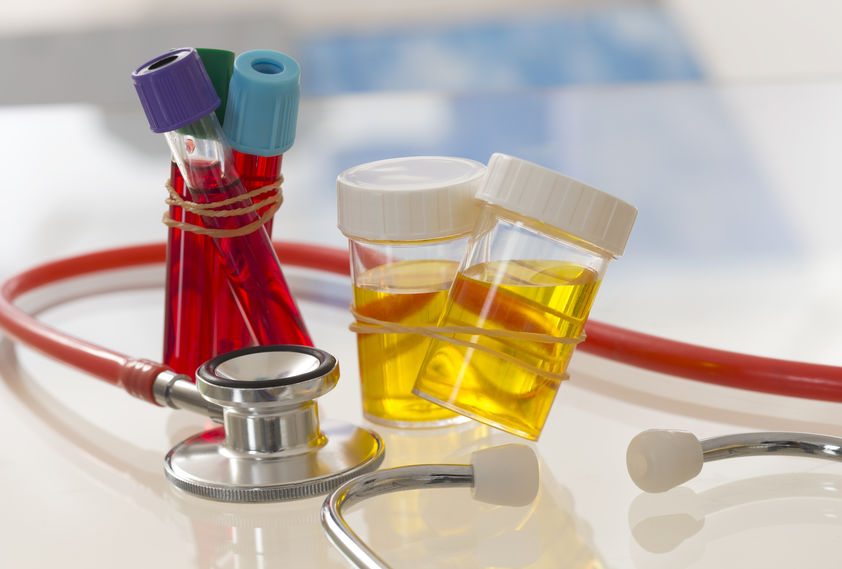
A basic routine urine test.
Drodzy Pacjenci! W związku z częstymi pytaniami informujemy, iż prezentowane w portalu ceny obowiązują jedynie przy dokonaniu płatności przelewem. Poszczególne placówki mogą mieć te same usługi w innych cenach! Prosimy także o każdorazowe okazywanie aktualnego dokumentu tożsamości podczas realizacji wykupionych usług.
Opis produktu
Why urine is tested
Urinalysis is one of the least expensive and most informative screening tests. It assesses the kidneys (protein, blood cells, casts), urinary tract (white blood cells, nitrites, bacteria), carbohydrate metabolism (glucose, ketones), liver (bilirubin, urobilinogen) and hydration (specific gravity). It consists of physical and chemical testing (a dipstick) and microscopic examination of the sediment when abnormalities are detected.
When to consider this test
- burning when passing urine, frequent urgency, lower abdominal or lower back pain, or fever without an obvious cause,
- changes in urine colour, foamy urine or blood in the urine,
- swelling, high blood pressure, diabetes, or kidney or liver disease (monitoring),
- pregnancy: at the beginning and in each trimester,
- as an annual preventive check, in children with abdominal pain or fever of unknown origin, or before surgery.
How to prepare
- Collect a midstream sample of the first morning urine (the most concentrated), after washing the area around the urethral opening with soap and water.
- Use a sterile container from a pharmacy; 50–100 ml is sufficient. Deliver to the collection centre within 2 hours; refrigerate (2–8°C) for no longer than 4 hours.
- Avoid strenuous exercise and sexual intercourse the day before; drink your usual amount of fluids (excess fluid dilutes the urine).
- Avoid testing during menstruation and for 2 days before and after. Antibiotics taken before the test will distort the result; if you have symptoms of infection, collect urine first, then take the medicine.
- Tell the staff about medicines and supplements you take (high-dose vitamin C, diuretics, metronidazole and other medicines affect dipstick results).
Understanding your result
| Parameter | Normal finding | What an abnormal finding usually indicates |
|---|---|---|
| protein | absent | kidney disease, high blood pressure or infection; temporarily after exercise or during fever |
| glucose | absent | diabetes (above the renal threshold), less commonly a renal tubular defect; in children, any trace requires investigation |
| ketones | absent | poorly controlled diabetes, starvation, vomiting or a low-carbohydrate diet |
| white blood cells (esterase), sediment | absent or trace; 0–5 per field of view (up to 10 in women) | urinary tract infection or inflammation |
| nitrites | absent | bacteria in the urinary tract (almost always) |
| red blood cells | 0–3 per field of view | infection, urinary stones, glomerular disease, injury, anticoagulant medicines or cancer; any microscopic haematuria without infection requires investigation |
| pH | 5,0–7,5 | alkaline: infection or a plant-based diet; acidic: a meat-based diet, acidosis or diabetes |
| specific gravity | 1,010–1,030 g/ml | high: dehydration, glucose or protein in the urine; low: excess fluid intake or impaired urine concentration |
Urinalysis alone rarely establishes a diagnosis; an abnormal result prompts further tests (urine culture, creatinine, ultrasound), while a normal result does not exclude early-stage disease. An infection is possible even when nitrites are negative, as not all bacteria produce them.
Other tests to consider
For symptoms of infection: urine culture (before antibiotics); for protein or blood: creatinine, urea, full blood count; for glucose: fasting glucose and HbA1c. Read more: Badania-Medyczne.pl.
Frequently asked questions
How do I collect a urine sample?
Use the first morning urine. Wash your hands and the area around the urethral opening with soap and water, then dry with a disposable towel. Pass the first portion into the toilet, collect the middle portion (50–100 ml) in a sterile container and pass the remainder into the toilet. Close the lid, label the container and deliver within 2 hours.
Can I have the test during my period?
No, blood cells will distort the result. Wait 2 days after bleeding has stopped; also avoid testing during the 2 days before your period.
I have white blood cells and nitrites in my urine. What does this mean?
Most commonly, a urinary tract infection; nitrites almost always indicate bacteria. The doctor usually requests a urine culture (before antibiotics) and selects treatment. Even without symptoms, this requires treatment in pregnancy; outside pregnancy, the doctor decides.
Sources: ALAB laboratoria, Urinalysis (collection, preparation, ranges: white blood cells 0–5, red blood cells 0–3, pH 5,0–7,5, specific gravity 1,010–1,030); Mayo Clinic, Urinalysis (purpose, clean-catch midstream method, interpretation, limitations). For information only; does not replace medical advice.
Opinie klientów
Gdzie wykonasz to badanie
Punkt pobrań wybierasz przy zamówieniu. Adresy, godziny i zasady przygotowania znajdziesz w naszym przewodniku po miastach:
- Warszawa (76)
- Wrocław (35)
- Łódź (31)
- Kraków (30)
- Poznań (28)
- Gdańsk (22)
- Szczecin (22)
- Bydgoszcz (13)
- Gdynia (13)
- Rzeszów (13)
- Kielce (11)
- Lublin (11)
- Wszystkie miasta (20)
Jak przygotować się do badania krwi (na czczo, leki, trening)
Related products
-
Sale!
Glucose – laboratory test
Original price was: 17,00 zł.15,30 złCurrent price is: 15,30 zł. Add to cart -
Sale!

Thyroid-stimulating hormone (TSH) – laboratory test
Original price was: 40,00 zł.36,00 złCurrent price is: 36,00 zł. Add to cart -
Sale!

Magnesium – laboratory test
Original price was: 17,00 zł.15,30 złCurrent price is: 15,30 zł. Add to cart -
Sale!
Alanine aminotransferase (ALT) – laboratory test
Original price was: 31,00 zł.26,40 złCurrent price is: 26,40 zł. Add to cart
Reviews
There are no reviews yet.